


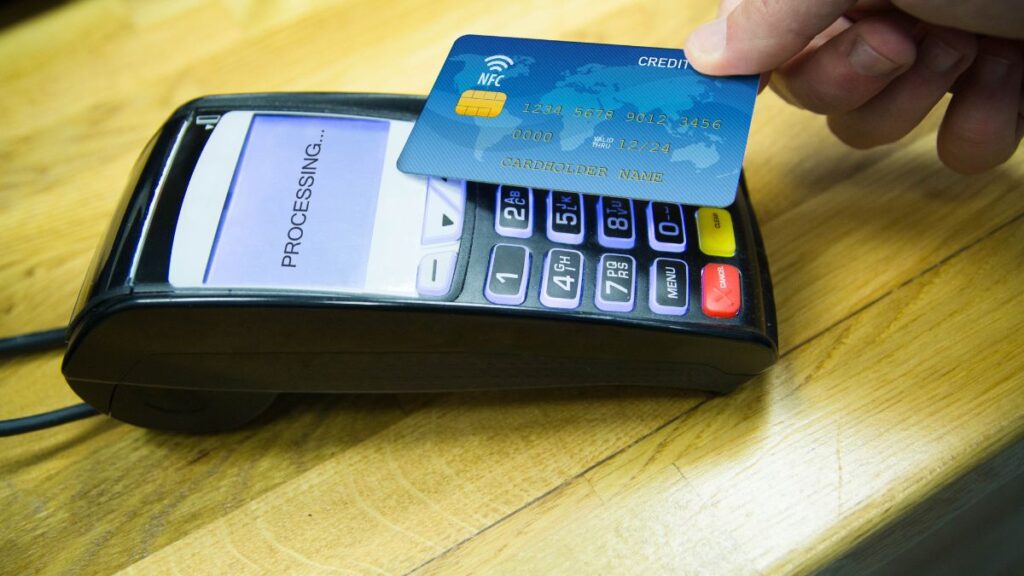
In the ever-evolving landscape of modern commerce, the mechanics of payment systems and transactions stand as a testament to human ingenuity and technological prowess, a marvel that seamlessly bridges the chasm between desire and fulfillment, between the tangible and the digital. This narrative ventures into the heart of this financial alchemy, where bits and bytes dance in the ethereal realm of cyberspace to translate our wants into concrete reality.
Once upon a time, the act of buying and selling was bound by the physical exchange of goods or currency, a limitation that confined commerce to local markets and direct interactions. Fast forward to today, and the scene has been transformed beyond recognition. At the core of this transformation lies the sophisticated machinery of modern payment systems, a complex yet fluid orchestra of electronic transactions, security protocols, and financial networks that operate in the blink of an eye.
Imagine standing in a bustling market halfway across the globe, or perhaps nestled in the comfort of your home, eyeing a coveted item on a glowing screen. With a mere tap or click, you initiate a process that is nothing short of magical. This is where our journey into the mechanics of payment systems begins, a voyage that reveals the intricacies and marvels of digital transactions.
At the heart of this system is the electronic transfer of funds, a process that begins the moment you confirm your purchase. Your payment information, a series of numbers and codes, is encrypted and whisked away through the digital ether, traversing the vast networks that connect merchants, banks, and payment processors. This encrypted data is a cipher, a secret message that only the recipient can decode, ensuring that your financial details remain secure from prying eyes.
As this encrypted information reaches its destination, a series of checks and balances spring into action. Fraud detection algorithms sift through the data, guardians at the gates of commerce, ensuring that the transaction is legitimate. Meanwhile, authorization requests are sent to the issuing bank, a query to confirm that the funds are available and the purchase can proceed. It is a moment of suspense, a breath held in the vast expanse of cyberspace, awaiting the nod of approval that will unlock the gates to fulfillment.
Upon receiving this authorization, the transaction is processed, a digital handshake between financial institutions that seals the deal. Funds are transferred from the buyer’s account to the merchant’s, a journey facilitated by the intricate network of payment processors and clearinghouses that operate behind the scenes. It is a ballet of numbers, a symphony of signals that orchestrate the movement of money with precision and speed.
And then, in the blink of an eye, it is done. The transaction is complete, and the item you coveted is now yours. This seamless integration of technology and finance has rendered the boundaries of time and space moot, enabling a global marketplace that operates 24/7, a realm where dreams can be realized with the push of a button.
The mechanics of payment systems and transactions are indeed a wonder to behold, a testament to the relentless pursuit of innovation and efficiency. In this digital age, they stand as pillars of the global economy, enabling commerce to flourish and connecting the world in ways that were once the realm of fantasy. So the next time you make a purchase, take a moment to marvel at the invisible dance of data that makes it all possible, a dance that echoes the boundless potential of human creativity and technological advancement.